AI Automation
Business process automation: where to start
"We should automate everything we can" is the wrong starting point — it's how automation projects stall before they start, because "everything" isn't a scope. The useful starting question is narrower: which single process is costing the most in repeated manual effort right now?
Map the process before automating anything
Write down the actual steps as they really happen — including the manual workarounds and the "someone remembers to check a spreadsheet" steps — not the clean, ideal version of the process. The workarounds are usually exactly where the automatable work is hiding.
Find the repetitive, rule-based steps
- It happens the same way most of the time — not every case is a special exception
- There's a clear right answer — it's not a judgment call about brand voice or strategy
- It happens often enough to matter — a once-a-quarter task isn't worth building around
Rank by volume and pain, not by what's easiest to build
The step that's cheapest to automate isn't always the one worth automating first. A five-minute daily task adds up faster than an occasional hour-long one — rank candidates by how much time and frustration they actually cost over a month, not by which looks like the simplest build.
Map The Process
Write down the real steps, workarounds included
Flag Repetitive Steps
Same pattern each time, clear right answer
Rank By Volume & Pain
Not by what looks easiest to build
Automate The Top One
One process, not five at once
Monitor Results
Confirm it's actually holding up in practice
Expand From There
Add the next process once the first is solid
Map The Process
Write down the real steps, workarounds included
Flag Repetitive Steps
Same pattern each time, clear right answer
Rank By Volume & Pain
Not by what looks easiest to build
Automate The Top One
One process, not five at once
Monitor Results
Confirm it's actually holding up in practice
Expand From There
Add the next process once the first is solid
Start with how it actually happens today.
The method, not a specific tool — this works before you've picked anything to automate.
Start with one process, not five
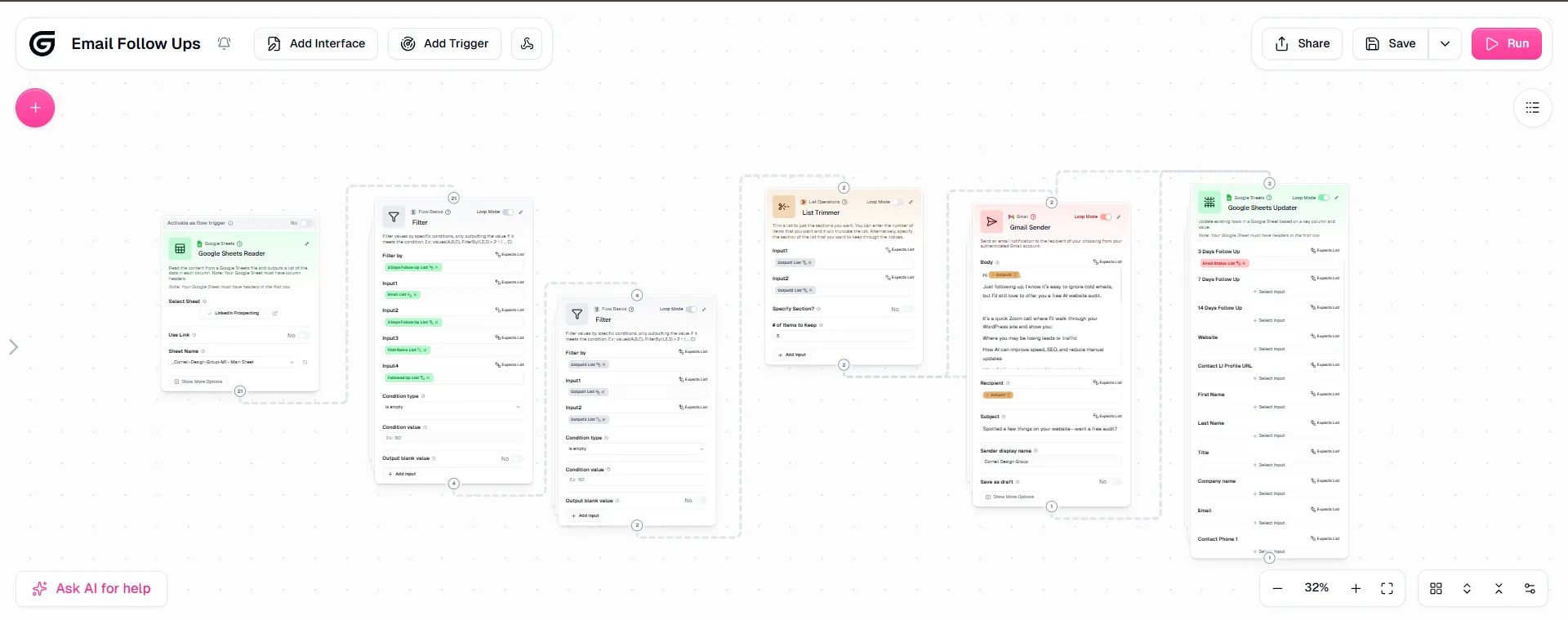
Once you've ranked candidates, resist automating all of them at once. Our automated email follow-up workflow is a good example of the pattern — one specific, repetitive step, automated on its own, before anything else was touched. Once a first process is solid, AI automation becomes the tool for taking on the next one — see our business systems or AI automation services for how we help with the mapping and the build.
How do I automate my business processes?
Start by mapping the process as it actually happens today, including the manual workarounds. Flag the steps that are repetitive with a clear right answer, rank them by how much time and frustration they cost over a month, and automate the single highest-ranked one before touching anything else.
Which business processes should you automate first?
The ones that are repetitive, rule-based (not a judgment call), and happen often enough to matter — ranked by actual monthly cost in time and frustration, not by which looks easiest to build.
How do I start automating my business?
With one process, not five. Pick the single highest-pain, most repetitive task, automate it on its own, monitor that it holds up in practice, and only then expand to the next one.
Related service
Process, not just software